Sibling Rivalry: A Gentle Guide to Fewer Fights and Closer Bonds
Squabbles, jealousy and "it's not fair!" are part of growing up with brothers and sisters. Here is why siblings fight, and calm ways to help them get along better.
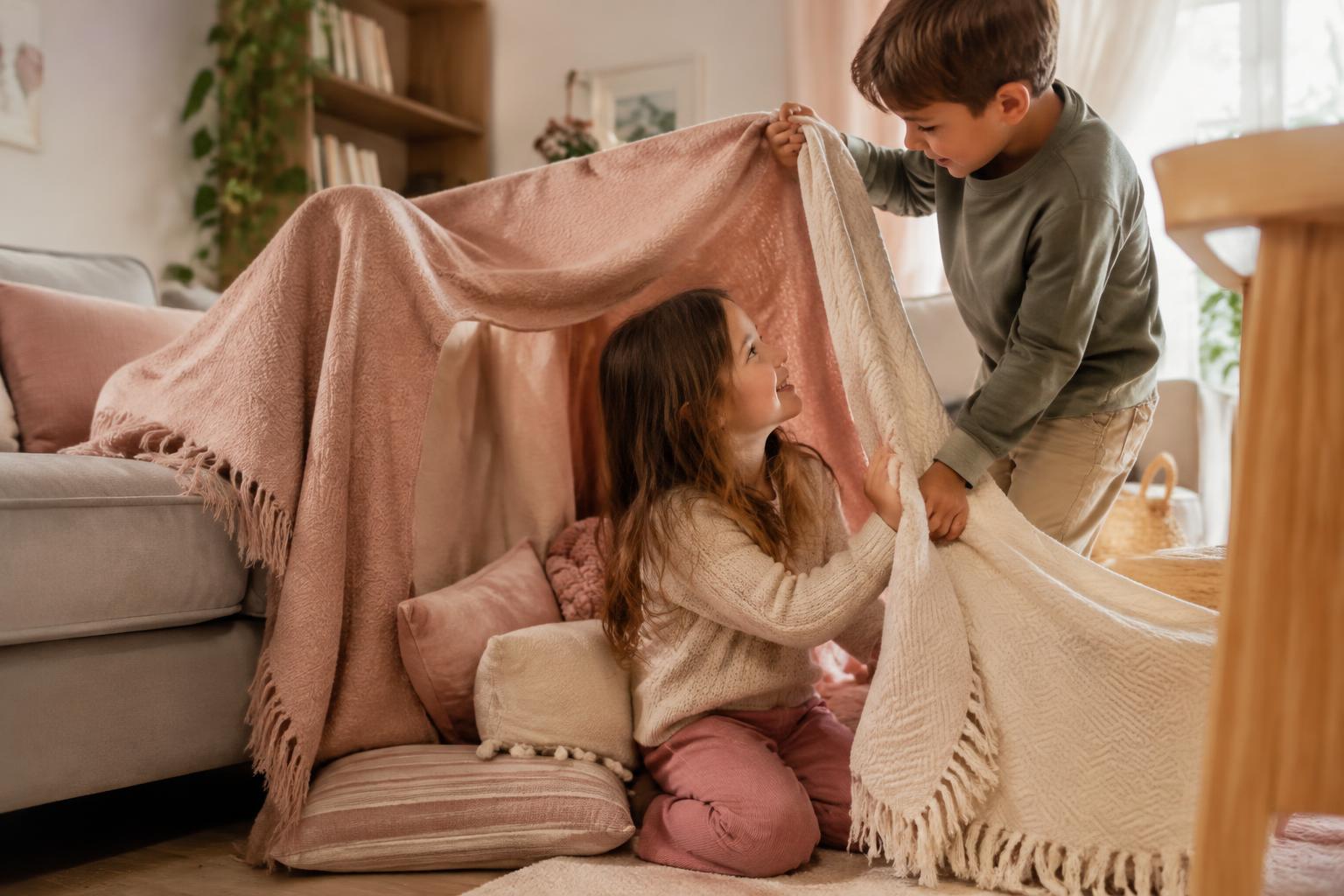
"He's looking at me!" "She took my toy!" "It's not fair, you always let him go first!" If your days are full of these cries, you are in very good company. Sibling rivalry is one of the most common challenges families face, and it can leave even the calmest parent feeling worn out and wondering where they went wrong.
The reassuring truth is that some conflict between brothers and sisters is completely normal, and even useful. Siblings are often a child's first practice ground for sharing, negotiating, standing up for themselves and making up after a falling out. This guide explains why siblings fight, and offers gentle ways to reduce the squabbles and nurture a closer bond.
Why siblings fight
At the heart of most sibling rivalry is a simple, deep need: every child wants to feel loved, valued and secure in their place in the family. When they feel that their share of your attention, love or resources is under threat, they may compete for it.
- Competition for parental attention, especially after a new baby arrives
- Different ages and stages, with different needs and abilities
- Tiredness, hunger, boredom or stress
- Feeling that things are unfair
- Clashing personalities and temperaments
- Not yet having the skills to solve problems calmly
- Copying how conflict is handled by the adults around them
Welcoming a new baby
The arrival of a new brother or sister is a huge change for an older child. Even children who were excited during the pregnancy can feel jealous, displaced or confused once the baby arrives. Some regress, wanting a bottle again or having toileting accidents, while others become clingy or act out.
- Prepare them during pregnancy with books and honest conversations about what babies are like
- Try to make big changes, such as a new bed or starting nursery, well before or after the birth
- Let them help in small ways, such as fetching a diaper or choosing the baby's outfit
- Protect some special one-to-one time with your older child every day
- Accept their mixed feelings: "It's hard sharing Mummy sometimes, isn't it?"
- Ask visitors to greet the older child first
Fair is not always the same
"It's not fair!" may be the most common phrase in any home with more than one child. It is natural to try to treat children exactly equally, but this is impossible, and often unhelpful. Children have different needs at different times, and being fair means meeting each child's needs, rather than giving everyone the same.
You might explain it like this: "In our family, everyone gets what they need. Right now, your brother needs help with his reading. When you need help, I'll be there for you, too." Over time, children learn to trust that their needs will be met, even if it is not always at the same moment.
Avoiding comparisons and labels
Comparisons can quietly fuel rivalry, even when they are meant kindly. "Why can't you be tidy like your sister?" or even "You're the clever one" can create resentment and pressure. Labels such as "the sporty one", "the shy one" or "the difficult one" can stick, and children may feel they have to live up to, or against, them.
Instead, try to describe each child's behavior on its own terms: "You put all your shoes away, thank you", rather than "Well done, you're much tidier than your brother." Celebrate each child's individual interests and strengths, without ranking them.
When to step in, and when to step back
It can be tempting to referee every disagreement, but children often learn more when they are supported to sort out minor squabbles themselves. As a rough guide, you might step back for small disagreements, coach when things are getting heated, and step in straight away if anyone is being hurt.
Small squabbles
For minor disagreements, such as who gets the purple cup, try giving them a little time to work it out. You might say, "I'm sure you two can find a solution," and stay nearby. You may be surprised by how often they manage it.
Coaching through conflict
When an argument is escalating, step in calmly as a coach rather than a judge. Try to avoid deciding who started it, which is often impossible to know. Instead, describe what you see, acknowledge both children's feelings and help them find a solution.
- Describe the problem: "I can see two children who both want the same game"
- Acknowledge each side: "You were playing with it first, and you've been waiting a long time"
- Invite ideas: "What could we do so that both of you are happy?"
- Support their solution, such as taking turns with a timer
When someone gets hurt
If there is hitting, biting or real unkindness, separate the children calmly. Comfort the child who has been hurt first; this also shows the other child that hurting does not get attention. Once everyone is calm, talk with the child who lashed out about what happened, what they were feeling and what they could do differently next time.
Building a closer bond
Reducing conflict is only half of the picture. You can also actively nurture a warm, positive relationship between your children.
- Notice and praise moments of kindness: "I saw you help your sister with her coat. That was kind"
- Encourage cooperative games and projects, such as building a den or baking together
- Create family traditions that bring everyone together
- Give them shared jobs, so they work as a team
- Tell stories about their early days together, like when the older child first held the baby
- Give each child some space and belongings that are just theirs
Remember that children need breaks from each other, too. Time apart, with separate friends or activities, can make the time they spend together more enjoyable.
Looking after yourself
Constant bickering can be exhausting, and it is easy to feel like a failure when your children seem to be at war. Try to remember that sibling conflict does not mean your children do not love each other, or that you are doing a bad job. Many brothers and sisters who fought fiercely as children grow into close, supportive adults.
Notice your own triggers, take a breath before responding, and give yourself credit for the many moments when things go well. Talking to other parents can be a great comfort; you will often find that their homes sound just like yours.
Siblings with big age gaps or different needs
When there is a big age gap, older children can feel burdened if they are often asked to babysit or give way, while younger ones may feel left out of their older sibling's world. Try to protect the older child's own time, friends and belongings, and avoid making them responsible for younger siblings too often. Finding a shared interest, such as a favorite movie, a game or cooking together, can help bridge the gap.
If one child has a disability, long-term illness or additional needs, their brothers and sisters may feel a mix of love, worry, jealousy and guilt. They may need extra reassurance that their feelings are allowed and that they matter too. Many areas have young carers' services and sibling groups, where children can meet others in a similar situation.
A lifelong friendship in the making
The squabbles over toys and car seats will not last forever. With your patient guidance, your children are learning how to share, compromise, stand up for themselves and make up after a falling out. These are skills they will carry into every relationship they have.
Be gentle with them, and with yourself. Underneath the arguments, you are helping to build what may become one of the longest and most precious friendships of their lives.
Read next: Friendship Troubles: Supporting Your Child Through Playground Ups and Downs
Read next: Letting Go of Mom Guilt: Kinder Ways to Talk to Yourself
Written by
The Bloomymom Team
Moms, writers and friends who believe honest advice should always come with kindness.
Enjoyed this? Join our Sunday letter
Plus our free Hospital Bag Checklist.