A Calm Family Home: Gentle Ways to Live With Less Clutter
Toys everywhere, washing piling up and never enough storage. Here is how to create a calmer, more organized family home that feels good to live in, without chasing perfection.
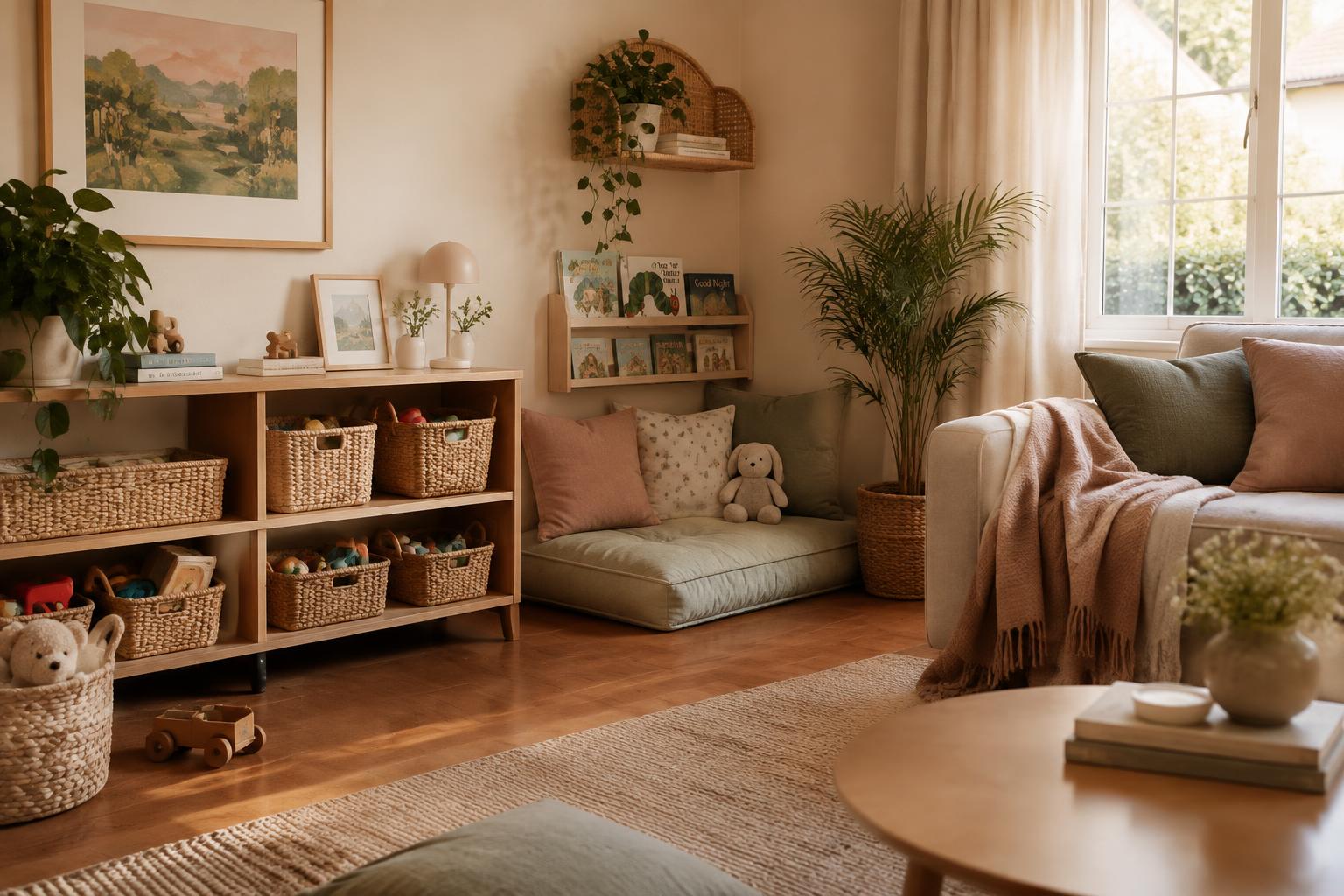
Before children, you may have had a tidy home with clear surfaces and everything in its place. Then came the baby gear, the toys, the tiny socks and the endless stream of artwork. Now you might step over a scattering of building blocks just to reach the kettle, and wonder how so much stuff arrived in such a short time.
Family homes are meant to be lived in, and a little mess is a sign of happy, busy lives. But clutter can also feel overwhelming, adding to stress and making it harder to find what you need. This guide offers gentle, realistic ways to create a calmer, more organized family home, without aiming for perfection.
Why clutter can feel so stressful
Many parents find that a cluttered home makes them feel more anxious, tired or irritable. Clutter can be visually busy, making it harder to relax, and it creates more work, as there is always something to tidy, clean or look for. Children, too, can feel overwhelmed by too many toys and too much choice, and may find it harder to settle into play.
Start small
Decluttering a whole family home can feel overwhelming, so start with one small area, such as a drawer, a shelf or a single toy basket. Seeing a finished space can give you the motivation to keep going.
- Set a timer for 15 minutes and declutter one small area
- Use three bags or boxes: keep, donate or sell, and recycle or trash can
- Ask yourself whether each item is used, loved or truly needed
- Take donations out of the house straight away
Taming the toys
Toys are often the biggest source of clutter in family homes. A few simple strategies can make a big difference.
Try toy rotation
Rather than having all your child's toys out at once, keep a selection out and store the rest in boxes. Every few weeks, swap them around. Old toys feel new and exciting again, and there is far less to tidy up each day.
Give everything a home
Children find it much easier to tidy up when everything has a clear place. Low shelves, open baskets and boxes with picture labels work well for younger children, who can see where things go and reach them easily.
Declutter together
Involve older children in deciding which toys to keep and which to pass on. You might explain that the toys they have grown out of could make another child happy. Try not to remove a much-loved toy without asking, as it can feel upsetting and unfair.
Managing the everyday mess
Some mess is inevitable with children, but simple routines can stop it building up.
- Do a quick reset of the main living space each evening
- Have a basket on the stairs for things that need to go upstairs
- Create a drop zone by the door for shoes, coats and bags
- Tackle laundry little and often, rather than all at once
- Keep surfaces as clear as possible
- Encourage children to put one toy away before getting another out
Children's artwork and keepsakes
Children produce an extraordinary amount of artwork, and it can be hard to know what to keep. Display a few current favorites on a wall, a pinboard or a string with pegs. Photograph the rest, and keep a single memory box for each child with the most special pieces. Some families turn photographs of their children's artwork into a book at the end of each year.
Storage that works for families
- Use furniture with built-in storage, such as ottomans and benches
- Use the space under beds for out-of-season clothes and spare bedding
- Hang hooks at child height for coats and bags
- Use clear boxes or labels so everyone can find things
- Store items where they are used, such as bath toys in the bathroom
Being mindful about new things
Decluttering is only part of the picture; it also helps to think about what comes into your home. Before buying something new, ask whether you really need it and where it will live. For birthdays and Christmas, you might gently suggest experiences, books or contributions toward a bigger gift, rather than lots of small toys. Second-hand and borrowing from friends, toy libraries and baby groups can also reduce clutter and save money.
Letting go of perfection
Social media is full of beautiful, spotless family homes, but they are rarely the full picture. Real family life involves crumbs, half-finished craft projects and the occasional mountain of washing. A calm home is not about perfection; it is about feeling comfortable, being able to find what you need and having spaces where everyone can relax.
Give yourself permission to let some things go, especially during busy seasons, such as when you have a new baby, are returning to work or are unwell. The house will still be there, and so will the toys.
Creating calm corners
Even in a busy home, small calm corners can make a big difference. A cozy reading nook with cushions and a basket of books, a clear kitchen table or a corner of your bedroom kept just for you can offer a moment of peace. Soft lighting, plants and natural materials can help a home feel restful.
Keeping it going
Decluttering once is helpful, but the real change comes from small, regular habits. Many families find it useful to have a quick declutter before birthdays and Christmas, when new things are likely to arrive, and again at the start of each school year. Keep a donation bag somewhere handy, such as at the bottom of a wardrobe, and add to it whenever you notice something that is no longer used or loved.
Above all, aim for a home that works for your family, rather than one that looks perfect. If a system is not working, change it; if a space keeps getting messy, it may simply need a better home for the things that end up there.
Clothes and laundry
Children grow quickly, so their wardrobes can fill up fast. Every season, sort through their clothes and remove anything that no longer fits. Keep a box or bag in each child's wardrobe for outgrown clothes, so you can add to it as you go. When it is full, store it for a younger sibling, pass it on to friends or donate it.
Having fewer clothes can also make laundry more manageable. Many families find that a simple capsule wardrobe for each child, with a few mix-and-match outfits, is plenty. A single family washing basket in each bedroom and a regular washing routine can stop the laundry mountain from taking over.
The kitchen and paperwork
The kitchen often becomes the hub of family life, and a magnet for clutter: school letters, keys, receipts, half-eaten snacks and lunch boxes. A simple system can help. Try a folder or tray for school letters and forms, a hook for keys, and a single drawer for odds and ends. Clear the worktops at the end of each day, so mornings start with a clean slate.
Going paperless where you can, by switching to online bills and photographing documents, can also reduce the piles of paper that build up so quickly in family homes.
A tidy hallway or a clear table is lovely, but it is the people around it who make a house a home. Let that be your guide.
Home is where the love is
A calmer home can bring more space, more time and a little more peace to busy family life. But remember that the most important thing about your home is not how tidy it is, but how it feels: warm, welcoming and full of love.
Start small, be kind to yourself and enjoy creating a space that works for your family, crumbs and all.
Read next: Calm Family Routines: How to Make Busy Days Run More Smoothly
Read next: Sharing the Mental Load: A Fairer Way to Run Family Life Together
Written by
The Bloomymom Team
Moms, writers and friends who believe honest advice should always come with kindness.
Enjoyed this? Join our Sunday letter
Plus our free Hospital Bag Checklist.