Calm Family Routines: How to Make Busy Days Run More Smoothly
Chaotic mornings and battle-filled bedtimes wear everyone down. Here is how gentle, flexible family routines can bring more calm, cooperation and connection to your days.
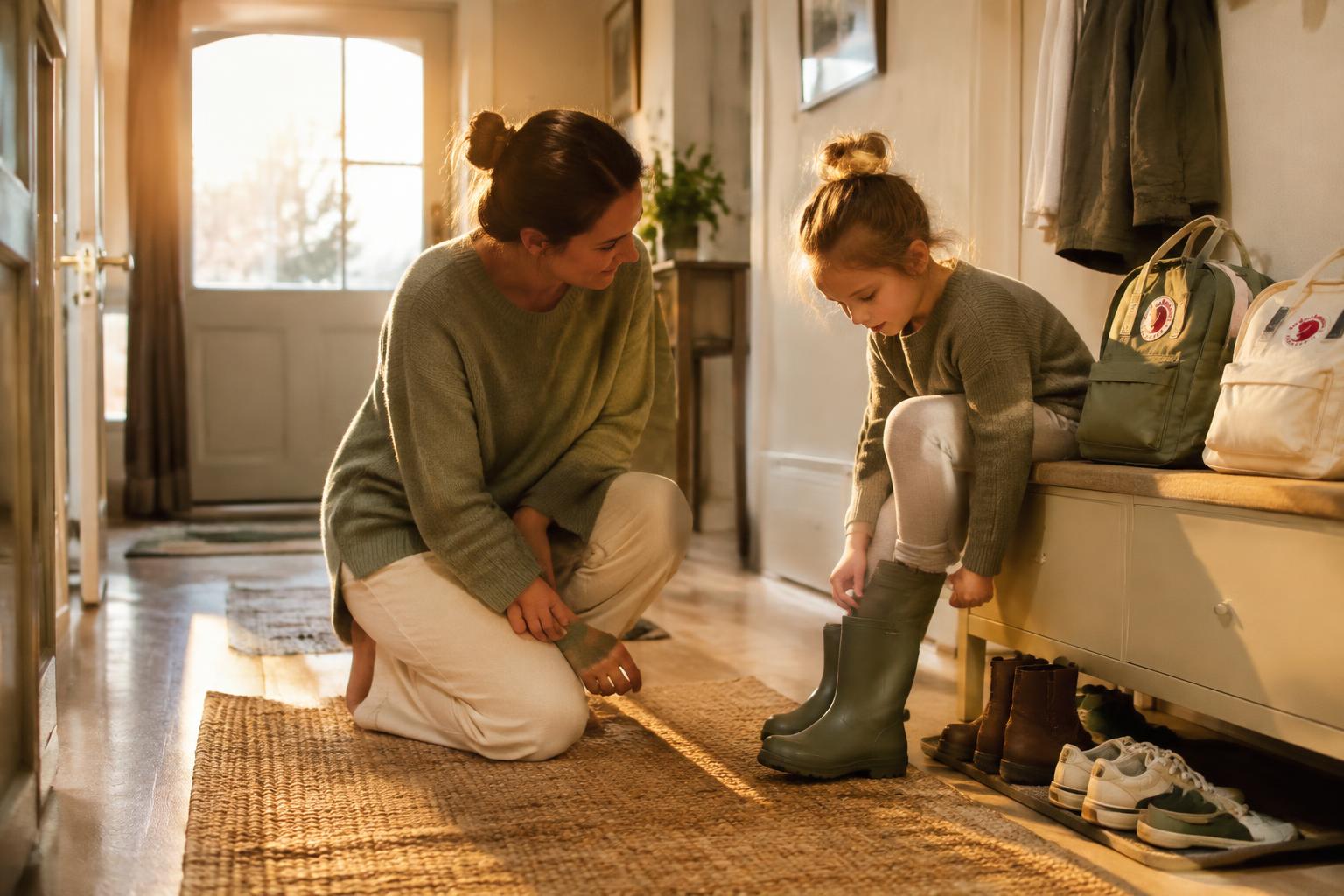
It is eight o'clock on a school morning. One child cannot find a shoe, another is still in pajamas, the packed lunches are not made and somebody has just announced that they need a costume for school spirit day. Today. By the time you get out of the door, everyone is cross and you feel like you have run a marathon.
If this sounds familiar, gentle routines may help. Routines are not about running your home like a military operation or filling every minute with a schedule. They are simple, predictable patterns that help everyone know what is coming next, and they can bring a surprising amount of calm to busy family life. This guide explains why routines matter and how to create ones that work for your family.
Why routines help children
Children thrive on predictability. When they know what is going to happen and in what order, they feel safer and more in control. This can reduce anxiety, tantrums and power struggles, because the routine itself becomes the guide, rather than a parent issuing endless instructions.
- They help children feel secure and settled
- They build independence, as children learn to do tasks themselves
- They reduce arguments, because expectations are clear
- They make transitions, such as leaving the house or going to bed, easier
- They support better sleep, especially in the evening
- They free up mental energy for parents, too
Start with your pressure points
You do not need to plan every part of your day. Instead, think about the times that feel most stressful. For many families, these are school mornings, the after-school slump and bedtime. Start by creating a simple routine for just one of these, and build from there once it feels settled.
Calmer mornings
Mornings are often the most rushed part of the day. A little preparation the evening before can make a big difference.
The night before
- Lay out clothes, including socks and shoes
- Pack school bags and put them by the door
- Make packed lunches, or prepare what you can
- Check the calendar for PE kits, trips or non-uniform days
- Sign any forms and put them in book bags
In the morning
Keep the morning routine simple and in the same order each day, for example: wake up, toilet, get dressed, breakfast, teeth, shoes and coat. Many families find it helps to get dressed before breakfast, as it removes one of the biggest sources of delay. Try to get up a little earlier than the children, if you can, so you have a few calm minutes to yourself.
After school and early evening
Many children come home from school or nursery tired, hungry and emotionally drained after a day of holding it together. It is very common for them to fall apart as soon as they see you. This is often called after-school restraint collapse, and it can be a sign that they feel safe with you.
- Offer a snack and drink as soon as they get home
- Allow some downtime before homework or chores
- Keep questions about their day light; they may share more later
- Plan quieter activities on busy club days
- Get outside for fresh air and movement, if you can
A predictable rhythm, such as snack, play, dinner, homework or reading, then bath, helps children wind down and know what to expect.
Bedtime routines
A calm, consistent bedtime routine is one of the most helpful routines you can create. It signals to children's bodies and minds that it is time to sleep, and can make bedtime a gentle, connected part of the day rather than a battle.
- Start winding down at the same time each evening
- Turn off screens at least an hour before bed
- Follow the same steps in the same order, such as bath, pajamas, teeth, story and cuddle
- Keep the bedroom dark, quiet and cool
- Keep lights dim and voices soft as bedtime approaches
- Finish with a simple ritual, such as the same goodnight phrase or song
Bedtime can also be a lovely time for connection. Children often open up as they relax, so a few minutes of chatting in the dark, about the best part of their day or anything on their mind, can become a treasured part of the routine.
Getting children on board
Children are much more likely to follow a routine if they have helped to create it. Sit down together and talk about what needs to happen and in what order. Let them make choices where possible, such as which pajamas to wear or which story to read, so they feel some control.
- Give warnings before transitions: "Ten minutes until bath time"
- Use timers or songs to make tasks into games
- Praise effort: "You got your shoes on all by yourself!"
- Give age-appropriate jobs, such as feeding the pet or laying the table
- Be consistent, especially in the first few weeks
Flexibility matters, too
Routines should support your family, not rule it. There will be days when everything goes off track: a child is ill, you are running late, or there is a party or vacation. That is fine. Try to keep a few anchor points, such as a story at bedtime, even when everything else changes, and return to your usual routine as soon as you can.
Weekends and vacations can have looser, more relaxed routines, but keeping wake-up and bedtimes roughly similar can make Monday mornings much easier. Review your routines every so often, too. As children grow, their needs change, and what worked for a toddler will not work for a ten-year-old.
Small steps, calmer days
You do not need to transform your whole household overnight. Choose one part of the day, create a simple routine together, and give it a few weeks to settle in. Notice what works, adjust what does not, and celebrate the small wins, like a morning when everyone leaves the house with both shoes on and smiles on their faces.
Over time, these gentle rhythms can give your family something precious: fewer battles, more cooperation and a little more space for the moments that really matter.
Read next: Family Mealtimes: Gentle Ways to Bring Everyone to the Table
Read next: Homework Without Tears: Calm Ways to Support Learning at Home
Written by
The Bloomymom Team
Moms, writers and friends who believe honest advice should always come with kindness.
Enjoyed this? Join our Sunday letter
Plus our free Hospital Bag Checklist.