Homework Without Tears: Calm Ways to Support Learning at Home
Spellings, reading logs and times tables can turn evenings into a battleground. Here is how to support your child's learning at home calmly, without doing it for them or losing your patience.
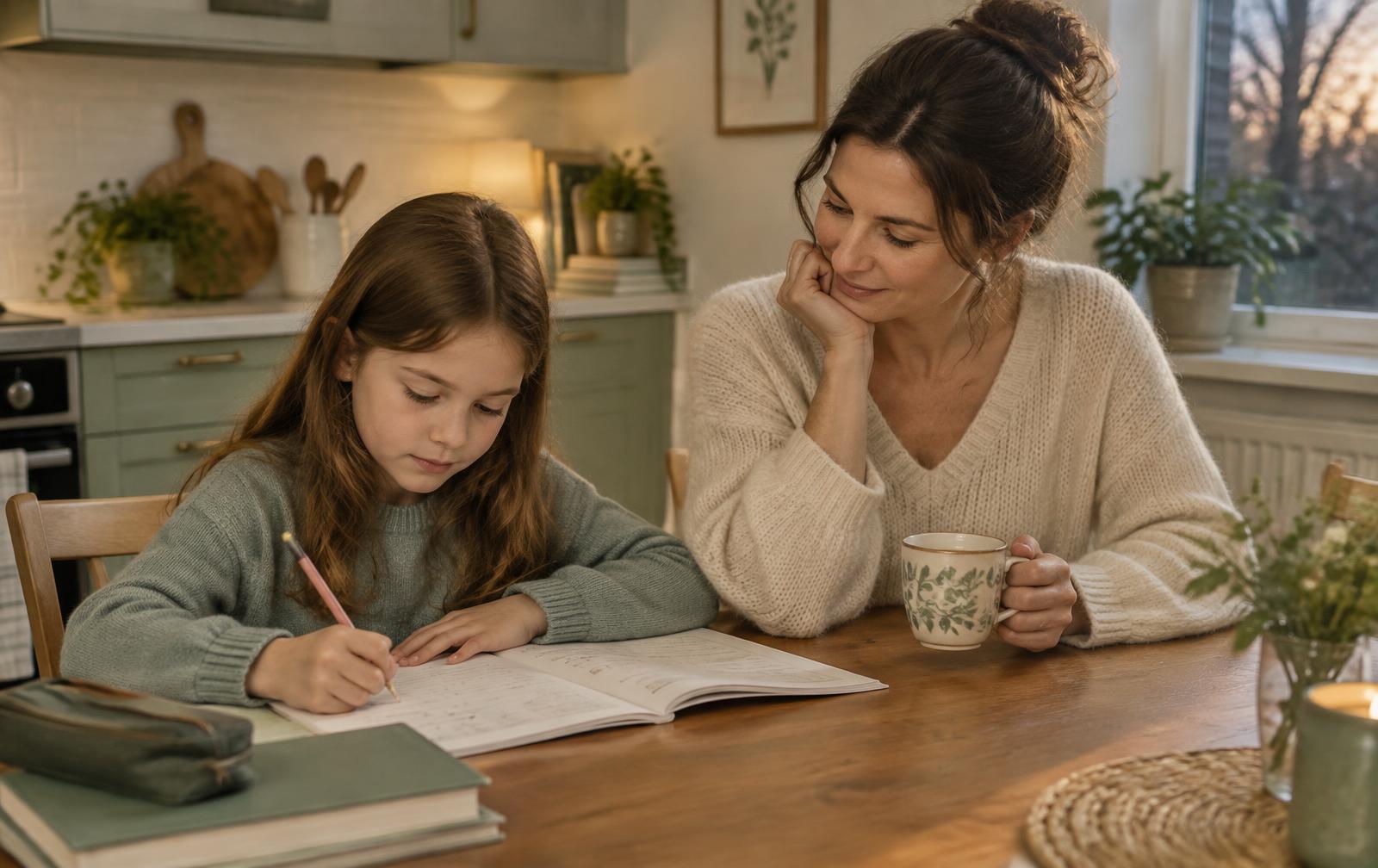
It is a familiar scene in many homes. Your child comes home tired, hungry and wanting to play. You remember the spellings test is tomorrow, the reading log has not been signed all week and there is a math worksheet crumpled at the bottom of the book bag. Before long, someone is in tears, and it is not always the child.
Homework can be one of the most stressful parts of family life during the school years. But it does not have to be. This guide offers calm, practical ways to support your child's learning at home, help them build independence, and keep evenings more peaceful for everyone.
Why homework can be so hard
After a long day at school, many children are mentally and physically exhausted. They have been concentrating, following rules and managing their emotions for hours. Coming home and being asked to do more work can feel overwhelming, especially for younger children or those who find school challenging.
Parents are often tired, too, and juggling dinner, siblings and work commitments. It is easy for frustration to build on both sides. Recognizing that homework is hard for everyone can help you approach it with a little more patience.
Setting up a calm routine
Find the right time
There is no perfect time for homework, but consistency helps. Some children prefer to get it done straight after school, while they are still in work mode. Others need a snack, some play and time to unwind first. Experiment to see what works best for your child, and then try to stick to it.
Create a homework space
A quiet, comfortable space with good lighting and the right equipment can make a big difference. It does not need to be a dedicated desk; the kitchen table works perfectly well. Keep pencils, rubbers, a ruler and paper in a box nearby, so you are not hunting for them every evening.
Keep sessions short
Young children have short attention spans. For primary school children, a focused ten to twenty minutes is usually plenty. If homework is taking much longer, or causing a lot of distress, it may be worth talking to the teacher.
Minimise distractions
Turn off the TV, put phones away and, if possible, keep younger siblings occupied elsewhere. A calm environment helps children focus and get the work done more quickly, leaving more time for play.
How much should you help?
It can be tempting to step in and help, especially when your child is struggling or time is short. But the purpose of homework is for children to practice what they have learned and for teachers to see where they need more support. If you do it for them, the teacher may not realize they are finding something difficult.
- Read through instructions together, so your child understands the task
- Ask questions to guide their thinking, rather than giving answers
- Encourage them to have a go first, even if they get it wrong
- Praise effort and perseverance, not just correct answers
- Let the teacher know if your child found something particularly hard
Reading together
Reading with your child is one of the most valuable things you can do to support their learning. Try to read together every day if you can, even for just ten minutes. Let them read their school book to you, and also read to them for pleasure. Talking about the story, the pictures and the characters helps build comprehension and vocabulary, and it is a lovely way to spend time together.
Spellings and times tables
Learning spellings and times tables can feel repetitive, but little and often works best. Try practicing in the car, in the bath or while walking to school. Games, songs and apps can make it more fun. Writing spellings in shaving foam, chalk on the patio or with magnetic letters on the fridge can also help.
When your child refuses
Most children resist homework at some point. If your child refuses, try to stay calm. Arguments rarely help and can make homework feel even more negative. Instead, try to understand why they are refusing. Are they tired? Hungry? Finding the work too hard? Feeling anxious?
- Acknowledge their feelings: "I can see you're really tired and don't want to do this"
- Offer choices: "Would you like to do your reading or your spellings first?"
- Break it into smaller chunks with breaks in between
- Use a reward chart for younger children, focusing on effort
- Know when to stop; sometimes it is better to leave it and tell the teacher
Working with the school
If homework regularly causes tears and arguments, it is worth talking to your child's teacher. They can explain what is expected, how long homework should take, and how best to support your child. They may be able to adjust the work or offer extra help in class.
Teachers also appreciate knowing about anything that might affect your child's learning, such as a difficult time at home or a change in family circumstances.
Building a love of learning
Homework is just one small part of your child's education. Learning happens all the time: cooking together, visiting museums, playing board games, exploring nature and chatting about the world. Showing curiosity and enthusiasm yourself is one of the best ways to encourage your child to love learning.
Try to keep homework in perspective. A missed worksheet or a forgotten reading log is not the end of the world. What matters most is that your child feels supported, capable and happy to learn. Keeping evenings calm and connected will do far more for their progress than any amount of nagging.
And on the nights when it all goes wrong, as it sometimes will, be gentle with yourself and your child. Tomorrow is always another day, and another chance to try again.
Read next: Starting School: Gently Preparing Your Child (and Yourself)
Read next: Friendship Troubles: Supporting Your Child Through Playground Ups and Downs
Written by
The Bloomymom Team
Moms, writers and friends who believe honest advice should always come with kindness.
Enjoyed this? Join our Sunday letter
Plus our free Hospital Bag Checklist.