Starting School: Gently Preparing Your Child (and Yourself)
New uniform, new routines and a big new world. Here is how to help your child feel ready for their first day at school, handle the wobbles, and look after your own feelings too.
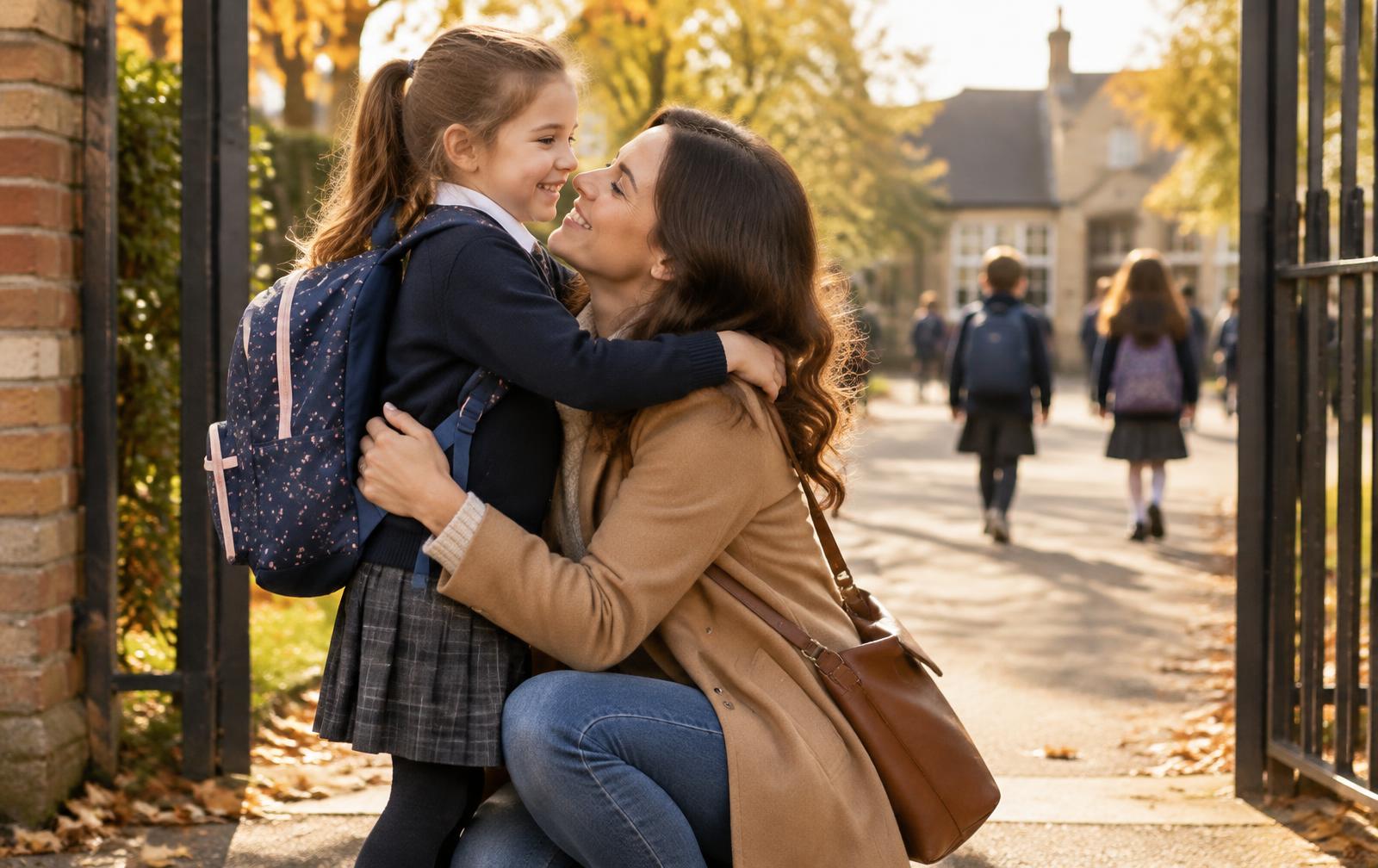
It seems like only yesterday they were a newborn, and now there is a tiny school sweater hanging on the back of the door, a book bag waiting by the front step and a name label sewn into every single sock. Starting school is one of the biggest milestones of childhood, and it is a big moment for parents, too.
It is completely normal for children to feel a mix of excitement and nerves, and for you to feel the same. This guide offers gentle, practical ways to help your child feel ready for school, to handle the inevitable wobbles in the first few weeks, and to look after your own feelings along the way.
What school readiness really means
Many parents worry that their child needs to be reading, writing or counting before they start school. In fact, kindergarten teachers are far more interested in whether children can manage some basic independence and feel confident enough to settle into a new environment. Academic skills will come with time and teaching.
- Going to the toilet on their own, including wiping and washing hands
- Putting on their own coat and shoes, even if not perfectly
- Recognizing their own name, so they can find their peg and belongings
- Opening their own lunchbox, packets and drinks bottle
- Asking an adult for help when they need it
- Taking turns and sharing, at least some of the time
- Sitting and listening to a short story
If your child is not quite there with all of these, please do not panic. Teachers are used to children arriving with a wide range of skills, and they will help. Practicing gently over the summer can boost your child's confidence, but there is no need to turn it into hard work.
Gentle preparation in the weeks before
Talk about school positively
Chat about school in a relaxed, positive way. Talk about the fun things they will do, such as painting, playing outside, listening to stories and making new friends. Avoid using school as a threat ("You won't be allowed to do that at school"), as this can create anxiety.
Read stories about starting school
Picture books about starting school are a lovely way to explore feelings and talk about what to expect. Your local library will have plenty. Reading them together gives your child a chance to ask questions and share any worries.
Visit the school
If you can, walk or drive past the school a few times over the summer, and point out the gate and the playground. Many schools offer settling-in sessions, open days or home visits, which are a great way for your child to meet their teacher and see their classroom.
Practice the routine
In the last week or two of the vacations, start gently shifting bedtimes and wake-up times toward what they will be in term. Try on the uniform, practice putting on school shoes, and do a trial run of the morning routine. This can help reduce the rush and stress of the first real school morning.
The first day
On the first day, try to stay calm and positive, even if you are feeling emotional inside. Children pick up on our feelings. Allow plenty of time so you are not rushing, and make sure everything is ready the night before: uniform laid out, bag packed and name labels checked.
At the gate, keep your goodbye short, warm and confident. A cuddle, a smile and a simple "I'll be here to pick you up after school" is perfect. Long, drawn-out goodbyes can make it harder for your child to settle. If your child cries, try not to worry. Teachers are experienced at helping children settle, and most children stop crying very soon after their parents leave. You can always call the school later to check how they are doing.
The first few weeks
Expect tiredness
Starting school is exhausting. Your child is taking in new routines, new people, new rules and new learning all at once. Many children are very tired, grumpy or emotional for the first few weeks, even if they seem to be enjoying school. Keep after-school time calm, avoid too many activities, and allow plenty of rest and early nights.
After-school chats
It is natural to want to know everything about your child's day, but many children are too tired to talk straight after school. "What did you do today?" is often met with "Nothing" or "I can't remember". Try giving them a snack and some downtime first. Later, perhaps at bedtime, you might ask more specific questions, such as "Who did you play with at lunchtime?" or "What was the funniest thing that happened today?"
Wobbles are normal
Some children settle immediately and then have a wobble a few weeks in, once the novelty has worn off and they realize school is every day. This is very common. Keep reassuring them, keep the routine consistent and keep talking to their teacher.
- Clingy behavior at drop-off after a good start
- Tantrums or tears at home after holding it together all day
- Changes in sleep or appetite
- Regression, such as toilet accidents or wanting more help with dressing
- Saying they do not want to go to school
Most of these settle within the first term as your child becomes more confident. If you are worried, speak to their teacher; they will usually be able to tell you how your child is getting on during the day, which is often much better than you expect.
Looking after your own feelings
Starting school is an emotional time for parents. You may feel proud, excited, relieved, sad, anxious or all of these at once. Some parents cry at the gate; others feel strangely lost at home without their little one. These feelings are completely normal, and they show how much you care.
Be gentle with yourself. Plan something nice for the first day after drop-off, such as coffee with a friend or a walk somewhere you love. Other parents at the gate are often feeling exactly the same, and those first awkward hellos can lead to lifelong friendships, for you and your child.
Working with your child's teacher
Building a good relationship with your child's teacher helps everyone. Let them know about anything that might affect your child, such as a new sibling, a house move, a bereavement or a health condition. Read school communications, attend parents' evenings where you can, and do not hesitate to ask if you have questions or concerns.
If your child has developmental concerns or a disability, talk with the teacher and school’s special education team early. In the United States, ask about an evaluation and whether an Individualized Education Program (IEP) or Section 504 plan may be appropriate; eligibility is assessed individually. Your pediatrician may help with referrals. International example — UK: a SENCO coordinates support within a different education system. Bring your child’s strengths and needs into the conversation, not just a label.
Packed lunches, kit and the practical bits
Much of the stress of the first term comes from logistics rather than learning. A simple weekly checklist on the fridge for PE days, library days and outdoor learning can save frantic mornings. Labeling absolutely everything, including water bottles and shoes, will save you countless trips to lost and found.
If your child is anxious about starting
Some children bounce through the school gates without a backward glance; others cling, cry or develop mysterious tummy aches in the weeks before. If your child is in the second camp, the most powerful thing you can offer is calm confidence. Children take their emotional cues from us, so even if your own heart is wobbling, let your face and voice say: this is going to be fine, and so are you.
Acknowledge the worry rather than brushing it away — "it is okay to feel a bit nervous, lots of children do" — then gently pivot to what they can look forward to. Keep goodbyes short and warm at the door; long, lingering farewells tend to make things harder for everyone. And if the anxiety feels bigger than ordinary nerves, or is still intense after the first few weeks, talk to the teacher. Settling-in troubles are familiar territory for every kindergarten teacher, and small adjustments early on can make a big difference.
Your questions, answered
Should my child be able to read before starting school?
No. Schools do not expect children to arrive reading. Far more useful are the practical and social skills: recognizing their own name, listening to a story, taking turns, asking an adult for help, and managing the toilet independently. If they happen to love letters and numbers, wonderful — but there is no checklist to pass.
What if my child cries every morning at drop-off?
This is heartbreakingly common in the first weeks, and most children settle within minutes of a parent leaving — teachers see it every year and are very good at it. Keep your goodbye brief, cheerful and consistent, and resist the urge to sneak away without saying goodbye, which can undermine trust. If it is still happening after half a term, ask the teacher how your child is during the day; that picture will guide what helps next.
How much should I practice reading and writing over the summer?
Keep it light and playful. Reading stories together, chatting about letters on signs, counting conkers on a walk — this kind of everyday learning is perfect. Formal practice is unnecessary at this age, and a summer that ends with a happy, rested child is the best preparation of all.
My child has additional needs. How do I help them settle?
Talk to the school early — before term starts if you can. Share what helps your child, what they find hard, and any strategies that work at home. Most schools can offer extra settling visits, visual timetables or a named key person. You know your child best, and a good school will want that knowledge.
Building a lifelong love of learning
Starting school is just the beginning of a long journey. Helping your child feel happy, safe and confident at school matters far more in these early weeks than how quickly they learn to read or write. Celebrate their small achievements, show interest in what they are learning, and keep reading together every day if you can.
Above all, remember that your child does not need to be perfect, and neither do you. Forgotten PE kits, missed letters and teary mornings happen to every family. With patience, love and lots of rest, most children settle into school beautifully, and you will both look back on this time with pride.
Read next: Handling Toddler Tantrums Calmly
Read next: Homework Without Tears: Calm Ways to Support Learning at Home
Written by
The Bloomymom Team
Moms, writers and friends who believe honest advice should always come with kindness.
Enjoyed this? Join our Sunday letter
Plus our free Hospital Bag Checklist.