Choosing a Pushchair: A Calm Guide to Finding the Right One
Travel systems, strollers, strollers and all the jargon in between. Here is how to cut through the choice and find a stroller that genuinely suits your baby, your home and your life.
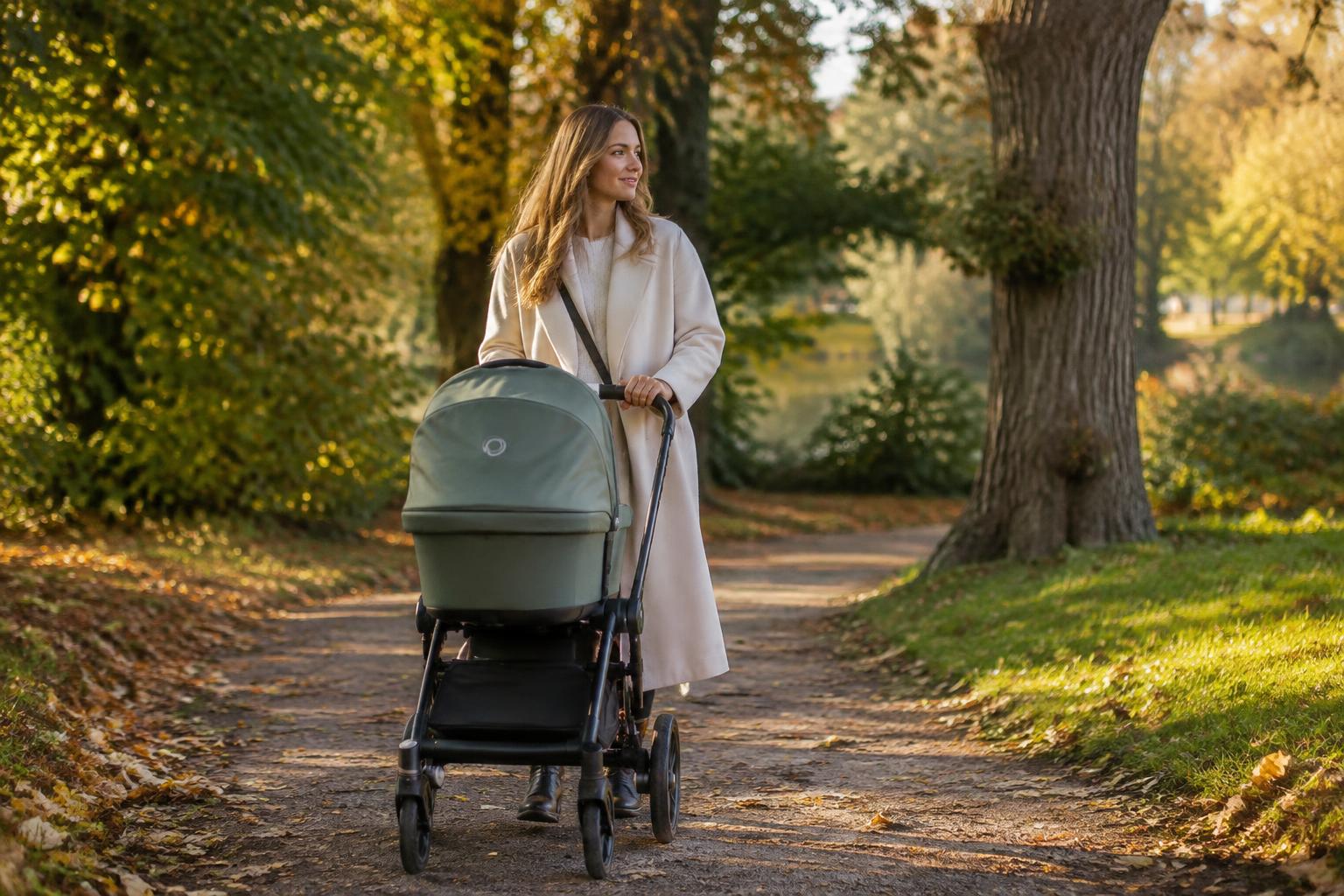
Walk into a baby store and you may meet a wall of strollers: compact, rugged, lightweight or built around a travel system, in every color from charcoal to blush. Prices vary widely by brand, features and retailer, so set a budget in US dollars and compare current prices rather than relying on a fixed guide price. Bassinet attachments, fold mechanisms and car-seat compatibility can feel confusing at first. The best starting point is the way you actually travel each day.
A stroller is one of the biggest purchases many parents make before their baby arrives, so it is natural to want to get it right. The good news is that there is no single best stroller, only the best one for you. This guide explains the main types, the questions worth asking and the features that really matter, so you can choose calmly and confidently.
Strollers, strollers and travel systems explained
Strollers and carrycots
A traditional stroller, or a stroller with a carrycot attachment, lets your baby lie completely flat, facing you. Carrycots are usually suitable from birth until around six months, or until your baby can sit up or reaches the weight limit. Many families love them for long walks with a newborn.
Strollers and strollers
A stroller has a seat unit, which may face toward you or away from you. Some recline fully flat and are suitable from birth; others only partly recline and are designed for older babies who can hold their heads up. Lightweight strollers, sometimes called strollers, are compact, easy to fold and ideal for travel and toddlers.
Travel systems
A travel system combines a stroller frame with a car seat that clicks directly onto it, and often a carrycot and seat unit as well. This can be very convenient if you drive a lot, as you can move a sleeping baby from the car to the stroller without unbuckling them.
Start with your everyday life
Before you look at any particular model, think about how and where you will actually use your stroller. The answers often narrow the choice dramatically.
- Do you live in a city, a town or the countryside?
- Will you mainly walk on pavements, park paths or muddy tracks?
- Do you use buses, trains or the Underground?
- How much space do you have at home and in your car boot?
- Are there stairs to your front door or flat?
- Do you plan to have another baby fairly soon?
- How tall are you and anyone else who will push it?
A stroller that is perfect for country walks may be a nightmare on a crowded bus, while a compact city stroller may struggle on a muddy footpath. Thinking about your real life, rather than the life in the brochure, will help you choose wisely.
Features that really matter
A lie-flat option for newborns
For a young baby, look for a carrycot or seat that lies completely flat. Newborns need to lie flat on their backs to support healthy breathing and spine development.
The fold
Practice folding and unfolding the stroller in the shop, ideally with one hand while holding something in the other, as you will often be holding a baby. Check how heavy it is to lift and whether it fits in your car boot or hallway.
Wheels and suspension
Larger, air-filled or foam-filled wheels and good suspension give a smoother ride on bumpy ground. Smaller wheels are lighter and more manoeuvrable on smooth pavements and in shops.
Parent-facing or world-facing
Many parents like their baby to face them in the early months, so they can chat, make eye contact and keep an eye on them. Later, babies often enjoy facing outwards to see the world. A reversible seat offers both options.
The practical extras
- A generous shopping basket that is easy to reach
- An adjustable handlebar for different heights
- A good-sized hood for sun and rain
- A rain cover that fits well and is included
- A five-point harness that is easy to adjust
- Washable fabrics
Setting a sensible budget
In the United States, choose a stroller that meets applicable federal safety requirements and check recalls before purchase, including secondhand models. Price does not by itself prove safety or suitability. Read the age, weight and recline instructions and use the harness every time. Higher prices may reflect materials, design or accessories rather than a better match for your family. International example — UK: different product standards apply; approval for another market should not be assumed to establish US compliance.
Think about how long you will use it, too. A more expensive stroller that converts from birth to toddlerhood, or that can take a second seat later, may work out better value than buying two separate strollers. On the other hand, many families find that a simple, inexpensive stroller is all they need once their baby is past the newborn stage.
Buying second-hand
Second-hand strollers can offer brilliant value and are kinder to the planet. If you buy one, check it carefully before you use it.
- Make sure the brakes work properly and hold the stroller firmly
- Check the frame for cracks, bends or rust
- Test that the fold locks securely in the open position
- Check the harness is complete, with no fraying or damaged buckles
- Ensure all the parts are there, including the right carrycot or seat for a newborn
- Look up the model to check for any safety recalls
Be more cautious with second-hand car seats, as they may have been damaged in an accident without showing visible signs. It is usually best only to accept one from someone you know and trust, who can tell you its full history.
When to buy
Many parents buy their stroller around the middle of pregnancy, which gives plenty of time to research and for any delivery delays. It is a good idea to have it ready by around 36 weeks, along with your car seat if you drive. Practice putting it together, folding it and attaching the car seat before your baby arrives, as you will not want to be learning this in a hospital parking lot.
Using your stroller safely
- Always use the brake when you stop, even on flat ground
- Use the harness every time, including the crotch strap
- Do not hang heavy bags on the handlebar, as the stroller may tip
- Never cover the stroller with a blanket or muslin, which can trap heat
- Keep your baby out of direct sun and check they are not too hot or cold
- Follow the manufacturer's weight limits and age guidance
Looking after your stroller
A little care helps your stroller last longer and stay safe to use. Wipe the frame down after muddy or wet walks, and let fabrics dry fully before folding to prevent mold. Most seat liners and hoods can be removed and washed; check the label first. Every few weeks, check the wheels, brakes and harness, and remove any hair or grit tangled around the axles. Keep the instructions somewhere safe, along with any proof of purchase, in case you need to make a warranty claim or check a recall.
If your stroller develops a fault, such as a brake that slips or a fold that will not lock, stop using it and contact the manufacturer or retailer. Do not try to repair safety parts yourself.
Choose what works for you
In the end, the best stroller is the one that makes your everyday life a little easier: one you can fold without swearing, lift into the car without straining, and push on your favorite walk with a sleeping baby tucked up inside.
Try not to get swept up in trends or feel pressured into spending more than you are comfortable with. Your baby will not care about the brand. What they will love is being out in the fresh air with you, watching the trees go by.
Read next: Car Seat Safety: What Every Parent Needs to Know
Read next: Getting Ready for Baby: A Calm Third-Trimester Plan
Written by
The Bloomymom Team
Moms, writers and friends who believe honest advice should always come with kindness.
Enjoyed this? Join our Sunday letter
Plus our free Hospital Bag Checklist.