Babyproofing Your Home: A Calm, Room-by-Room Guide
One day your baby is lying happily on a playmat; the next, they are rolling, crawling and pulling themselves up. Here is a calm, room-by-room guide to making your home safer for curious little explorers.
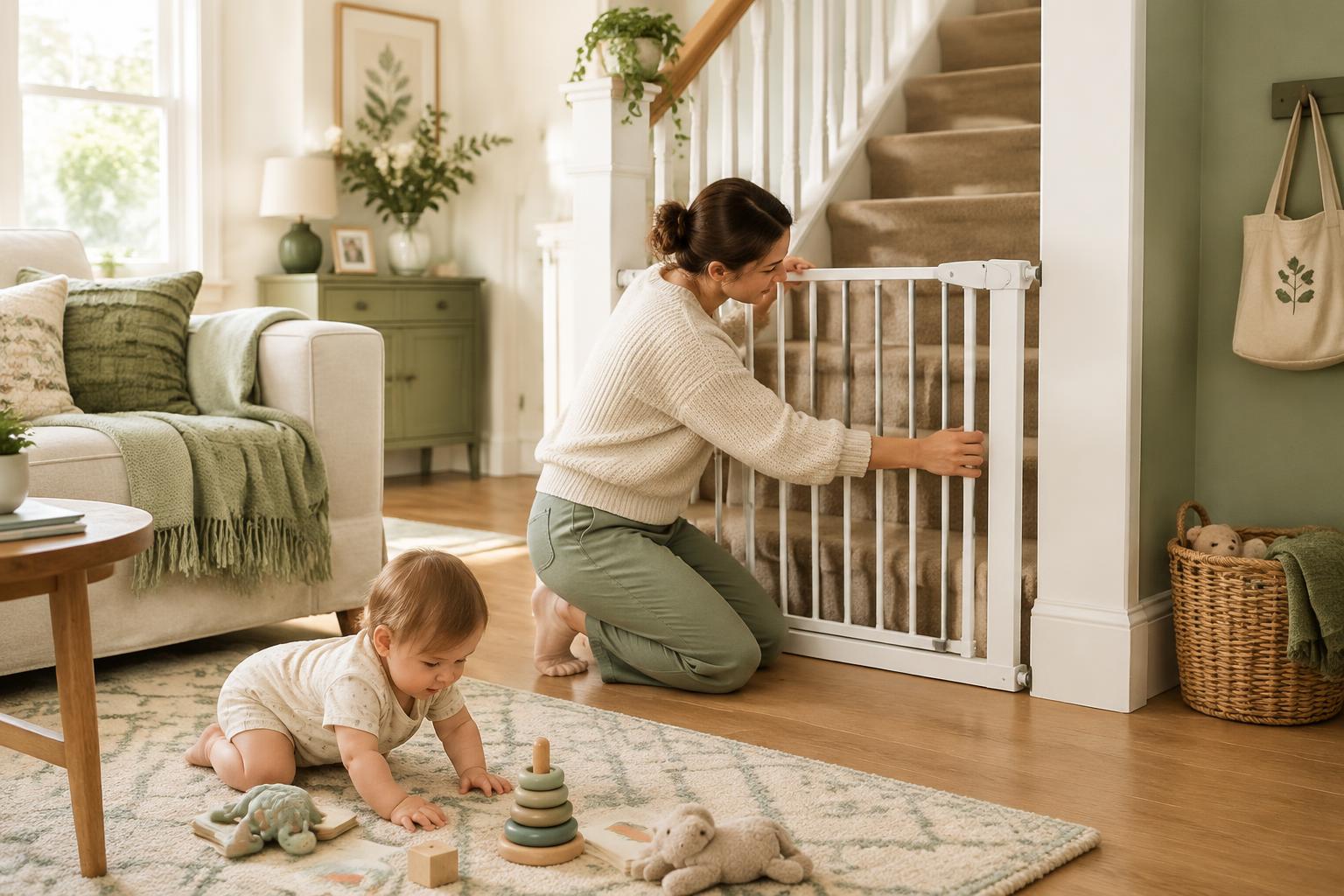
Every parent remembers the moment they realized their baby was on the move. Perhaps you turned away for a second and found them on the other side of the room, or watched them pull themselves up on the sofa for the first time. It is a joyful milestone, but it can also bring a jolt of worry: suddenly, your home is full of things to explore, pull, climb and put in their mouth.
Babyproofing is about making your home safer, so your little one can explore freely while you can relax a little more. You cannot remove every risk, and close supervision is always the most important safety measure, but a few simple changes can make a big difference. This guide offers a calm, room-by-room approach.
When to start
It is a good idea to start babyproofing before your baby becomes mobile, usually around four to six months, when many babies begin rolling. Babies can move surprisingly quickly once they start, and it is far easier to make changes before they are crawling than to chase after them.
Throughout the house
- Fit smoke alarms on every floor and test them monthly; consider a carbon monoxide alarm too
- Secure heavy furniture, such as bookcases, chests of drawers and televisions, to the wall
- Keep blind and curtain cords out of reach, using cleats or cord tidies, or choose cordless blinds
- Keep small objects that could cause choking off the floor and out of reach
- Fit window restrictors on upstairs windows
- Keep hot drinks well away from babies and never hold a baby while drinking one
- Keep cables tidy and out of reach
Stairs and hallways
Falls are one of the most common causes of injury for babies and toddlers. Fit safety gates at the top and bottom of the stairs once your baby starts to crawl. At the top of the stairs, use a gate that screws into the wall, rather than a pressure-fitted gate, which could be pushed out. Keep stairs clear of toys and clutter, and teach your little one to come down backward on their tummy once they are ready.
The kitchen
The kitchen is often the busiest and most hazardous room in the house, with heat, sharp objects and cleaning products all in one place.
- Use the back hobs and turn pan handles away from the edge
- Keep kettles, toasters and their cables pushed back from the edge of the worktop
- Store cleaning products, dishwasher tablets and laundry capsules up high or in locked cupboards
- Fit cupboard and drawer locks where needed
- Keep knives and sharp tools well out of reach
- Consider a safety gate across the kitchen door while cooking
- Never leave a baby alone in a high chair, and always use the harness
The bathroom
Water is a serious risk for babies and young children, who can drown in just a few centimeters of water in seconds and in silence.
- Never leave a baby or young child alone in the bath, even for a moment
- Empty the bath straight after use
- Run cold water first, then add hot, and check the temperature with your elbow
- Keep medicines, razors and toiletries locked away or out of reach
- Keep the toilet lid down, and consider a lock if your toddler is curious
The living room
- Use fireguards around all fires and heaters, fixed to the wall
- Cover or pad sharp furniture corners if your child is pulling up or toddling
- Keep houseplants out of reach, as some can be harmful if eaten
- Move ornaments, candles and anything breakable out of reach
- Keep handbags off the floor, as they often contain medicines, batteries and small objects
- Check under sofa cushions for coins and small objects
The bedroom and nursery
As your baby grows, lower the crib mattress once they can sit or pull themselves up. Keep the crib away from windows, blind cords and shelves. Store diaper bags out of reach, as babies can grab them and put them in their mouths, and keep creams and lotions away from the changing area.
Medicines and dangerous products
Store all medicines, vitamins and supplements in a locked cupboard, out of sight and reach. Keep products in their original containers with their child-resistant caps on. This includes e-cigarette refills, which can be very harmful to children.
Supervision still matters most
No amount of babyproofing can replace watching your child. Babyproofing reduces the risks, but young children are curious and quick, and they can find surprising ways to reach things. Try to keep an eye on your little one, especially in the kitchen, bathroom and near stairs, and review your babyproofing as they grow and learn new skills.
It is also worth remembering that a safe home is not a home where children cannot explore. Babies and toddlers learn by touching, climbing and discovering, and a safe space allows them to do this with confidence.
Reviewing as your child grows
Babyproofing is not a one-off job. As your child learns new skills, the risks change. A baby who can only roll will soon crawl, then pull up, cruise along furniture, climb and open doors. Every few months, walk around your home again and look for new hazards at your child's new height. Toddlers are clever problem-solvers and may learn to undo gates, climb onto worktops using chairs or open child-resistant caps, so stay one step ahead.
As children get older, safety becomes more about teaching than preventing. Talk to them simply about why some things are hot, sharp or dangerous, and praise them when they remember the rules.
Small steps to a safer home
Babyproofing may feel like a big job, but you do not need to do everything at once. Start with the biggest risks, such as stairs, blind cords, heavy furniture, hot drinks and medicines, then work through each room in turn.
With a few thoughtful changes and a watchful eye, your home can become a safe and happy place for your baby to explore, learn and grow.
Read next: Creating a Calm, Safe Nursery: What Your Baby Really Needs
Read next: Tummy Time and Early Play: Helping Your Baby Grow Stronger
Written by
The Bloomymom Team
Moms, writers and friends who believe honest advice should always come with kindness.
Enjoyed this? Join our Sunday letter
Plus our free Hospital Bag Checklist.