Buying Pre-Loved Baby Items: A Safe, Savvy Guide for Parents
Second-hand baby clothes, toys and equipment can save you a great deal of money. Here is how to buy pre-loved safely, what to check and what is always best bought new.
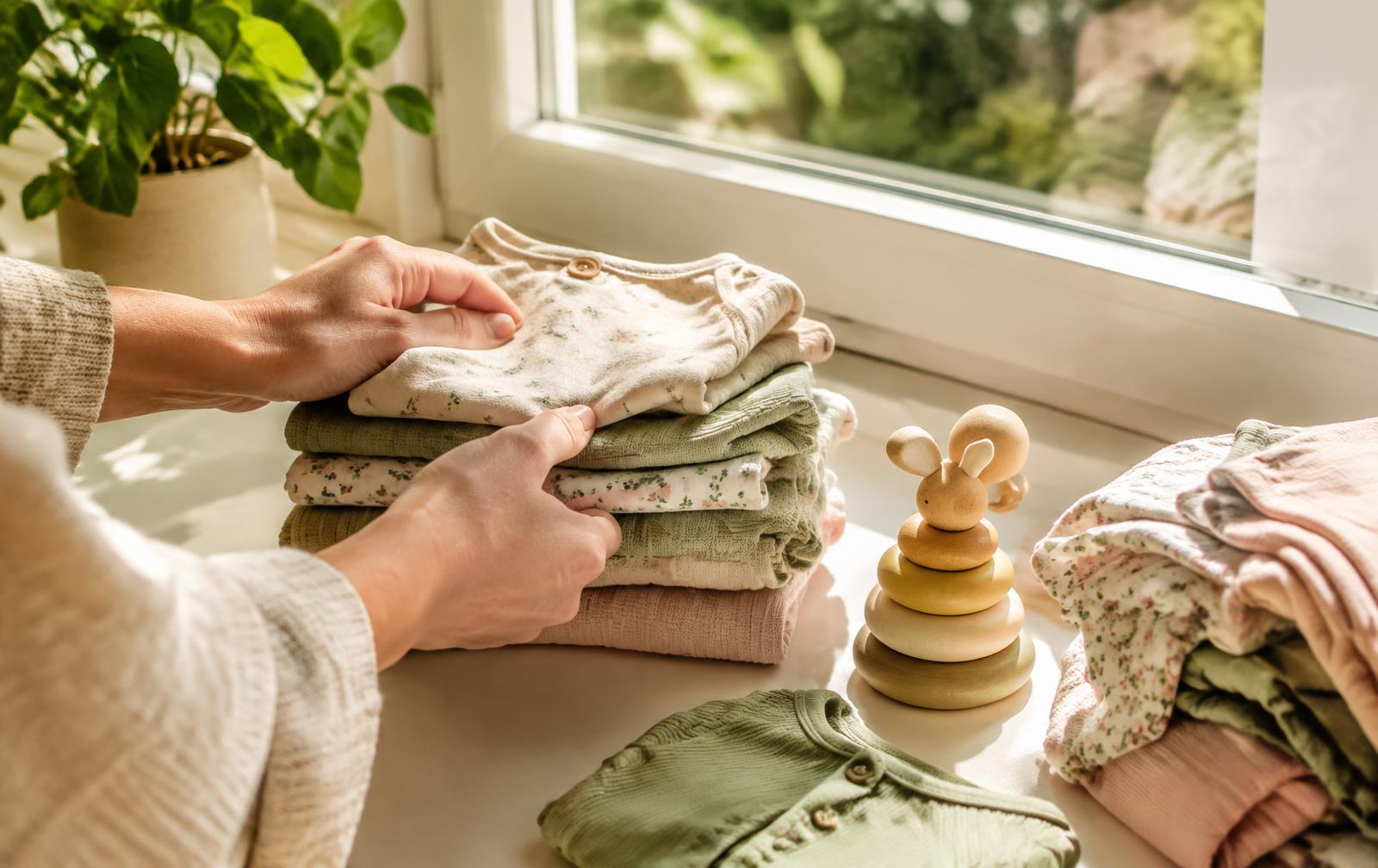
Babies grow astonishingly quickly. A sleeper that fits perfectly one week can be straining at the snaps the next, and equipment such as Moses baskets, bouncers and baby baths may only be used for a few months. It is no wonder that so many baby things are passed on in excellent condition, often barely used at all.
Buying pre-loved can save you a significant amount of money, reduce waste and connect you with other parents in your area. With a little care and a few sensible checks, most baby items are perfectly safe to buy second-hand. This guide explains where to look, what to check and which few items are best bought new.
Why pre-loved makes sense
The cost of preparing for a baby can feel daunting, and many families are looking for ways to make their money go further. Second-hand items are often a fraction of the price of new ones, and some are given away for free. Buying pre-loved is also kinder to the planet, keeping perfectly good things in use for longer rather than sending them to landfill.
There is something lovely, too, about passing things on. Many parents enjoy knowing that the stroller that carried their baby, or the cardigan knitted by a grandparent, will be loved by another family.
Where to find pre-loved baby items
- Friends and family, who may be delighted to pass things on
- Local parent groups and community swap or giveaway groups online
- Nearly-new sales run by parenting charities and local groups
- Charity shops, many of which have a children's section
- Online marketplaces and selling apps
- Baby banks, which provide free essentials to families who need support
Nearly-new sales are well worth looking out for. They often bring together lots of sellers in one place, so you can see and handle items before you buy, and the money raised frequently supports a good cause.
Items that are usually great second-hand
- Clothes, sleepers, bodysuits, coats and snowsuits
- Books, puzzles and many toys
- Baby baths, changing mats and storage
- Highchairs, as long as they are stable and the harness works
- Bouncers, play mats and activity gyms
- Strollers and strollers, after careful checks
- Cribs and convertible cribs, used with a new mattress
Items that are best bought new
A few items carry safety risks that are hard to judge from the outside. For these, it is usually wisest to buy new, or to accept them only from someone you know and trust.
Car seats
A car seat that has been in an accident may be damaged in ways you cannot see, and may not protect your baby properly in a future collision. Seats also age and standards change. Only accept a second-hand car seat from someone you know well, who can tell you its full history, and check that it comes with its instructions, fits your car and is suitable for your baby's height and weight.
Crib mattresses
For a US crib or bassinet, use a mattress approved for that product that remains firm, flat, clean and snugly fitted. Inspect it for damage and check product recalls; do not use an unknown or compromised mattress just to save money. CPSC safe-sleep guidance emphasizes a bare sleep space with only a fitted sheet. International example — UK: The Lullaby Trust recommends a new mattress where possible; follow the product standards and guidance applicable where your baby lives.
Other items to think carefully about
- Breast pumps, unless they are designed for multiple users and you replace the parts that touch milk
- Bottle nipples and pacifiers, which should always be new
- Bike helmets, which may have been damaged
- Anything that has been recalled, which you can check on official product-safety websites
What to check before you buy
Strollers and strollers
- Brakes work firmly and the frame does not wobble
- It folds and locks securely, with no sharp edges
- The harness is intact and the buckles fasten properly
- Wheels turn smoothly and the fabric is clean and undamaged
- Any carrycot or seat attachments are included and suitable from birth if you need them
Cribs and highchairs
- Check current US recalls and product instructions before buying; do not use a drop-side crib
- Reject missing parts, cracks, loose hardware or improvised repairs
- Confirm the crib and mattress meet applicable safety requirements and fit without gaps
- Check high-chair harnesses and trays against the manufacturer’s instructions
- Obtain the correct assembly manual; if the model or history cannot be identified, choose another item
Toys
- No loose parts, small pieces or pulled threads that could be a choking risk
- Battery compartments are secured with a screw
- Soft toys are clean, with eyes and noses firmly attached
- Toys are suitable for your child's age
Buying safely and kindly
When you are buying from people you do not know, a little caution protects you and your money. Try to see items in person before you pay, meet in a public place or bring someone with you, and be wary of deals that seem too good to be true. Pay using a method that offers some protection if possible, and avoid sending money in advance to people you have never met.
It is also worth being a considerate buyer: turn up when you say you will, ask questions politely and let sellers know if you change your mind. Parent communities are built on kindness and trust, and these small courtesies keep them working well for everyone.
Cleaning pre-loved items
Most pre-loved items simply need a good clean before use. Wash clothes, blankets and soft toys according to their labels, using a gentle, fragrance-free or gentle detergent if your baby has sensitive skin. Wipe down hard surfaces such as highchairs, baths and plastic toys with warm, soapy water and leave them to dry. Check any removable fabric covers and wash them separately.
Passing it on
Once your baby has outgrown something, you can keep the circle going by passing it on to another family, selling it, donating it to a charity shop or giving it to a baby bank. Many parents find that this becomes a lovely rhythm, with bags of clothes moving between friends as their children grow.
Selling and swapping wisely
If you have baby things of your own to pass on, selling them can help fund the next stage. Clear, honest photos taken in good light, an accurate description of any wear and tear and a fair price usually lead to a quick sale. Include the make, model and age of larger items, and mention whether the instructions and all the parts are included. Buyers will appreciate your honesty, and it saves time answering questions.
Swapping is another lovely option. Some parent groups run clothes swaps, where families bring along outgrown items and take home the next size up. It is a sociable, money-free way to refresh your baby's wardrobe and to meet other parents in your area. Many parents say these events become a welcome outing in the early months, when getting out of the house can feel like a real achievement.
Building a pre-loved wardrobe
When you buy pre-loved clothes, it can help to think in sizes ahead. Babies often grow in sudden spurts, so having a small bundle of the next size ready can save last-minute shopping trips when everything suddenly feels tight. Look for soft, simple, easy-wash pieces that mix and match, and do not worry too much about colors or matching sets. Your baby will look lovely in whatever keeps them warm, comfortable and free to move.
A thoughtful way to prepare
Choosing pre-loved is not about making do or settling for second best. It is a thoughtful, practical way to prepare for your baby, save money for the things that matter most and reduce waste along the way. With a few sensible checks and some new essentials, you can give your baby everything they need without stretching your budget.
And when someone hands you a bag of tiny clothes their own children have loved, you are not just receiving a bargain. You are joining a quiet, generous tradition of parents helping parents.
Written by
The Bloomymom Team
Moms, writers and friends who believe honest advice should always come with kindness.
Enjoyed this? Join our Sunday letter
Plus our free Hospital Bag Checklist.